The Medieval
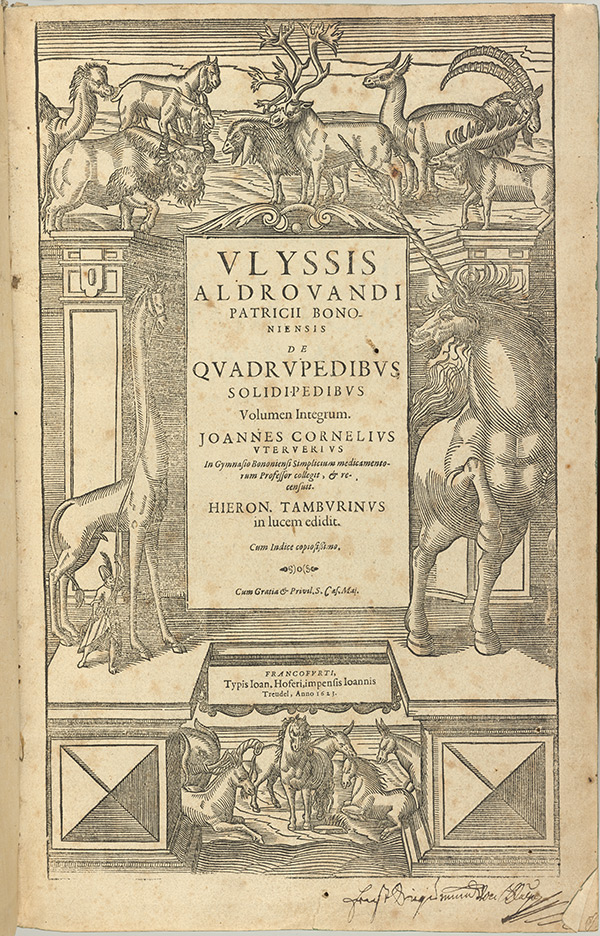
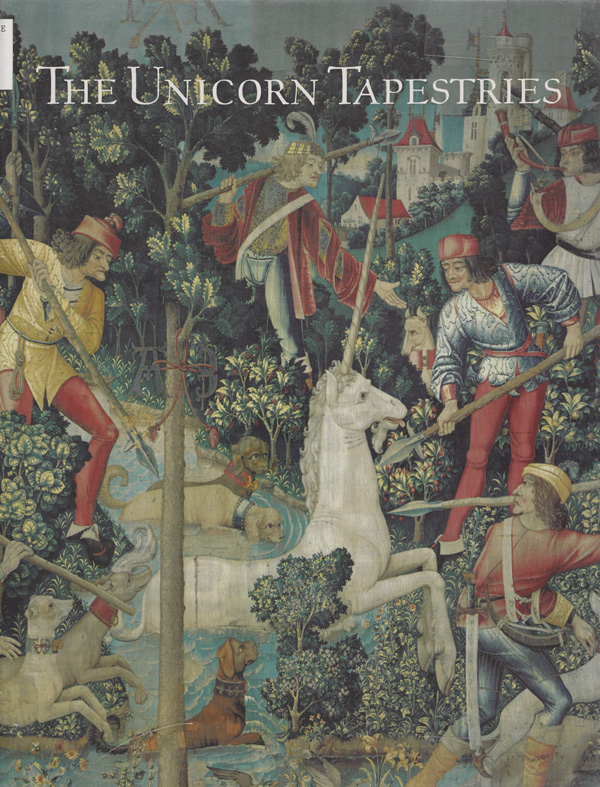
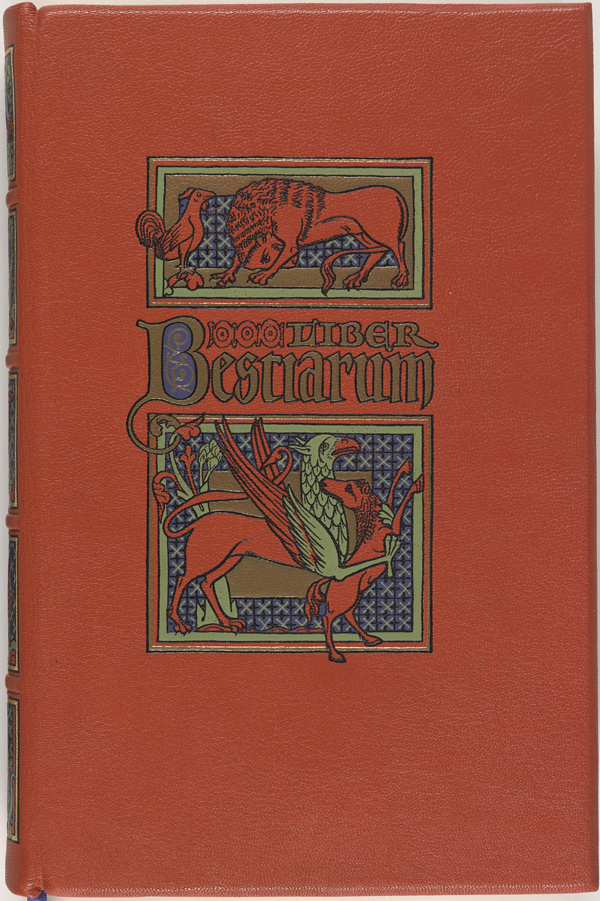
Bridging the scholarly and symbolic, medieval representations of the unicorn come from natural philosophers in the Middle Ages who compiled encyclopedic volumes on the animal kingdom, believing the study of nature to be the gateway to religious understanding. The bestiary, a popular form of anecdotal treatise on both real and mythical animals, dates back to documentary traditions from ancient Greece. Unicorns, in all of their forms, were regularly featured in these tomes, and discussions of their magical powers often trumped reports on natural evidence. These myths included the curative properties of the unicorn’s horn, or alicorn, from detecting and counteracting poisons to curing fevers, delaying signs of aging, and serving as an aphrodisiac. Additionally, these stories described the fabled unicorn hunt. It was believed that the mysterious creature could only be lured into captivity by a virgin. Illuminated in all their majestic glory by medieval scribes, the imagery and understanding of unicorns from the natural histories of the Middle Ages greatly influenced the designs of early heraldic emblems and the prevalence of certain motifs. The Hunt of the Unicorn and The Lady and the Unicorn, two series of tapestries that were fabricated in Northern Europe around 1500, exemplify the use of these myths and motifs in visual art.
…the body of an unicorn, which is entirely free from poison, repels every poisonous thing. Place a live spider inside a circle formed by a strip of the skin of an unicorn, and you will observe that the spider will not be able to pass. But if the circle be composed of some envenomed substance, the spider will have no difficulty in crossing the line…
-The Triumphal Chariot of Antimony Basilius Valentinus, 1685
London: James Elliott & Co, 1893
Damon Collection of Occult and Visionary Literature, John Hay Library